Late spring in Northern Ontario means it’s finally time to get your RV ready for another season of camping. But before your first trip, reviewing this de-winterization checklist is essential. Skipping important maintenance steps can lead to leaks, appliance issues or unexpected repairs later in the season.
Whether you’re new to RV ownership or preparing for another year of travel, this guide covers the key steps to safely bring your RV out of winter storage and prepare for the months ahead.
Why Spring De-Winterization Matters
Northern Ontario winters can be especially hard on RVs. Freezing temperatures and extended storage periods can affect plumbing systems, batteries, seals, tires and appliances. While winterization helps protect your RV during the off-season, properly de-winterizing it is just as important before the camping season begins.
Spring inspections commonly uncover issues RV owners didn’t notice during storage, including small plumbing leaks, weakened roof sealants and battery-related problems.
Failing to properly de-winterize your RV can contribute to:
- Cracked pipes or fittings
- Water system contamination
- Weak or damaged batteries
- Appliance performance issues
- Roof or exterior seal damage
Taking the time to properly prepare your RV in late spring helps support safer, more reliable travel throughout the camping season.
Step-by-Step RV De-Winterization Checklist
1. Reconnect and Inspect Your Battery
If your battery was removed for winter storage, reinstall it carefully and inspect the terminals for corrosion. Clean connections using a baking soda and water solution if needed. Check fluid levels on serviceable batteries, ensure the battery is fully charged and reconnect everything securely.
Weak batteries are one of the most common spring startup issues for RV owners.
2. Flush Antifreeze from the Plumbing System
Most RVs are winterized using non-toxic RV antifreeze to protect plumbing lines from freezing. In spring, the system should be flushed thoroughly before use.
Fill the freshwater tank, activate the water pump and run all faucets, both hot and cold, until the water runs completely clear. Don’t forget exterior showers, toilets and low-point drains.
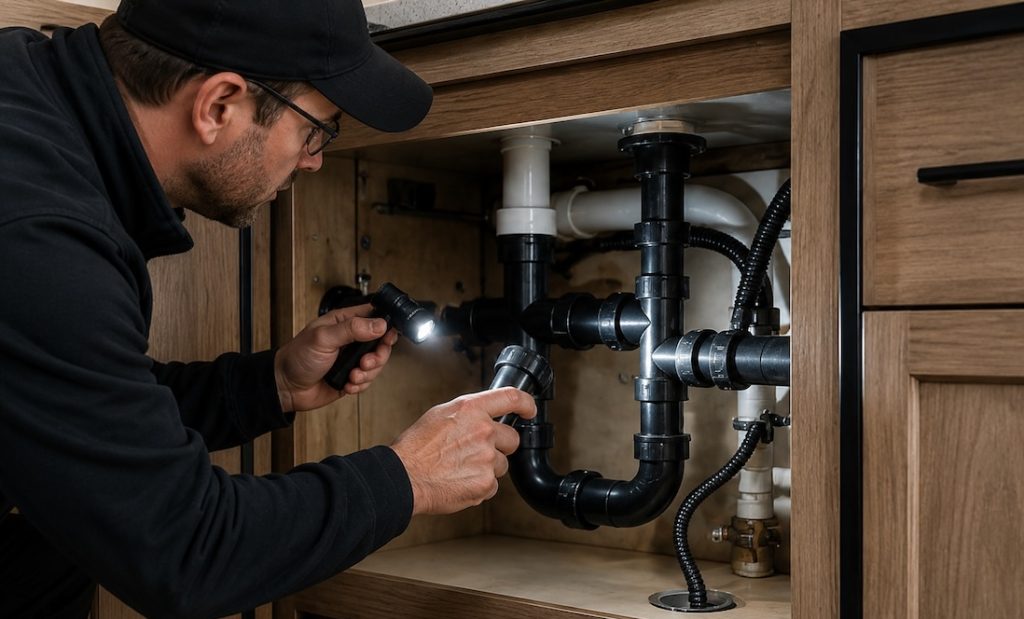
3. Inspect for Water Leaks
Before fully pressurizing the plumbing system, inspect all visible fittings, pipes and connections. Look under sinks, around fixtures and near the water heater for moisture or dripping.
Catching small leaks early can help prevent larger repairs later on.
4. Test Appliances and Major Systems
Check the operation of all major RV systems, including:
- Water heater
- Furnace
- Refrigerator
- Stove and cooktop
- Air conditioning system
Ensure appliances ignite properly, cool correctly and operate without unusual smells or noises.
5. Inspect Tires, Roof Seals and Exterior Components
Long periods of storage can affect tires and exterior sealants. Inspect tires for:
- Proper inflation
- Cracking
- Flat spots
- Uneven wear
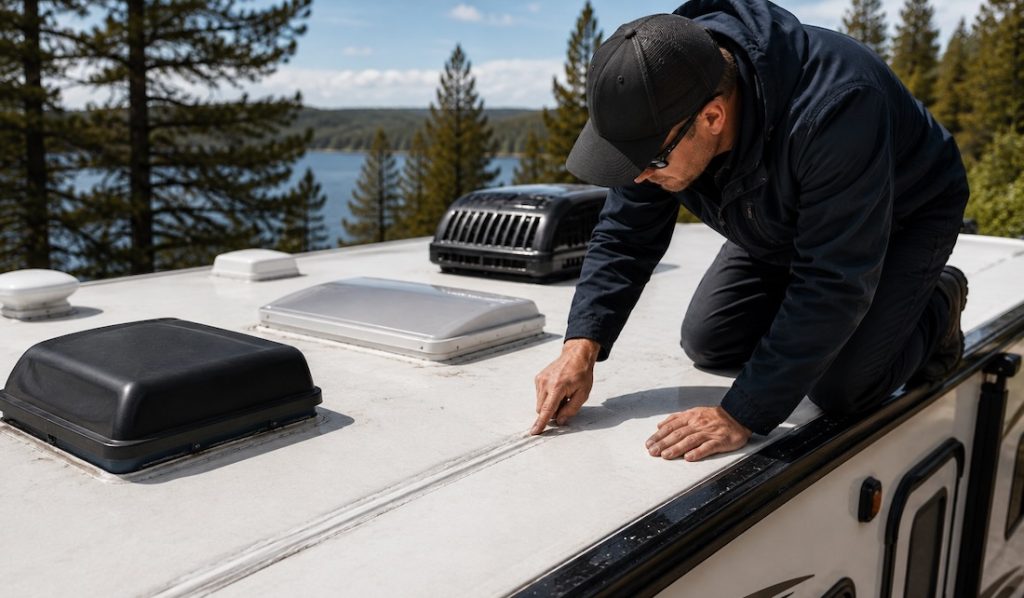
Roof seals, vents, moldings and exterior seams should also be inspected carefully for signs of deterioration, separation or water intrusion after storage.
6. Test Safety Equipment
Before heading out for your first camping trip, confirm that all safety systems are functioning properly:
- Smoke detector
- Carbon monoxide detector
- Propane detector
- Fire extinguisher
Replacing batteries and testing alarms at the start of the season is a simple but important step.
Common Spring Startup Mistakes RV Owners Make
When warmer weather finally arrives, many RV owners rush through spring preparation or postpone inspections until their first camping weekend. Unfortunately, that can lead to avoidable issues once travel begins.
Some of the most common oversights include:
- Not fully flushing antifreeze from plumbing lines
- Missing small water leaks
- Ignoring battery condition
- Skipping roof seal inspections
- Forgetting to test safety systems
Taking the time to properly inspect your RV in spring can help make the rest of the camping season more enjoyable and stress-free.
When Professional RV Service May Help
Many de-winterization tasks can be handled at home. However, a professional inspection can help identify issues that are easy to miss before your first trip.
If you’re uncertain about propane systems, electrical components, roof condition or water system integrity, having your RV professionally inspected can provide additional peace of mind.
The service team at Christie’s RV performs preventative spring maintenance inspections designed to help RV owners prepare confidently for the season ahead.
Professional Maintenance Services May Include
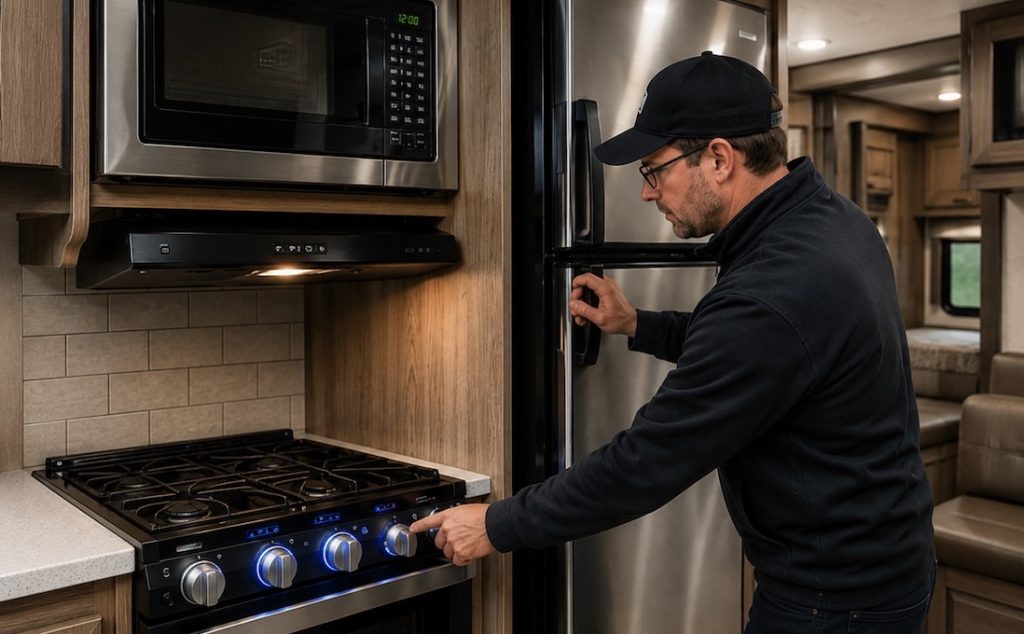
Propane System Inspection
- Leak testing the LP gas system
- Testing propane appliances
- Inspecting propane regulators and lines
- Checking propane cylinders and hoses
Running Gear Inspection
- Bearing and grease inspection
- Brake and magnet inspection
- Tire inspection
- Suspension and coupler inspection
- Breakaway switch testing
Electrical System Inspection
- Running, signal and brake light testing
- 110V and 12V system inspection
- Battery charging system inspection
- Full battery testing
Sealant and Exterior Inspection
- Roof sealant inspection
- Roof vent and attachment inspection
- Exterior molding inspection
- Minor sealant touch-ups
- Antenna lubrication
Water and Plumbing Inspection
- Pressurizing water systems
- Water pump testing
- Fixture and drain inspection
- Holding tank inspection
- Valve and plumbing connection testing
Final Thoughts
Proper spring preparation helps protect your RV, improve safety and reduce the likelihood of unexpected maintenance issues once your camping trips begin.
If you’d prefer professional assistance before your first trip of the season, the team at Christie’s RV is available to help.
📍 Serving RV owners across Northern Ontario from Sault Ste. Marie.
Contributed by the Service Team at Christie’s RV
This article was contributed to by the service team at Christie’s RV. With decades of experience helping RV owners across Northern Ontario maintain and service trailers and fifth wheels, the team provides seasonal inspections, preventative maintenance and RV repair services designed to help travelers stay safely on the road throughout the season.